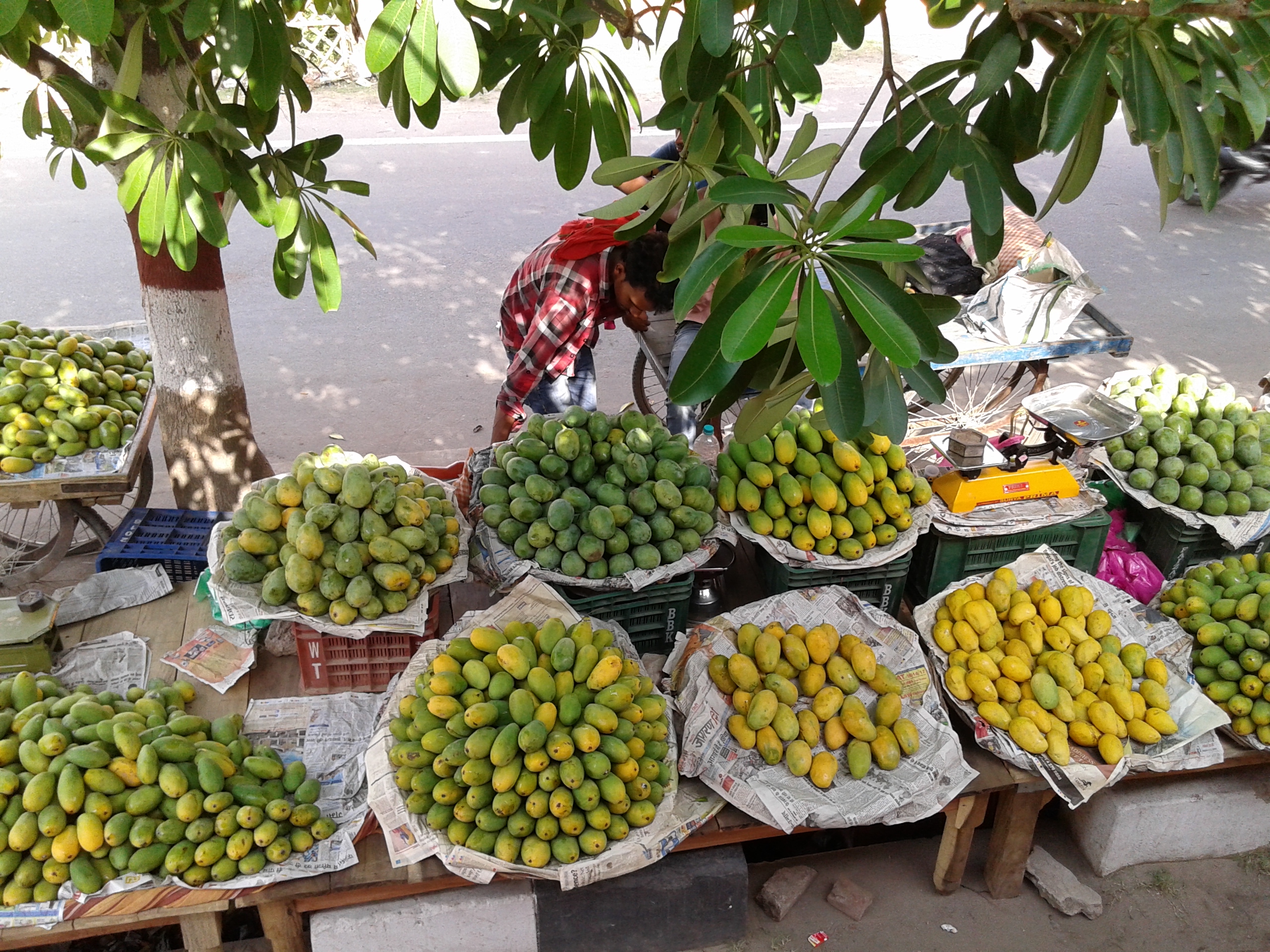
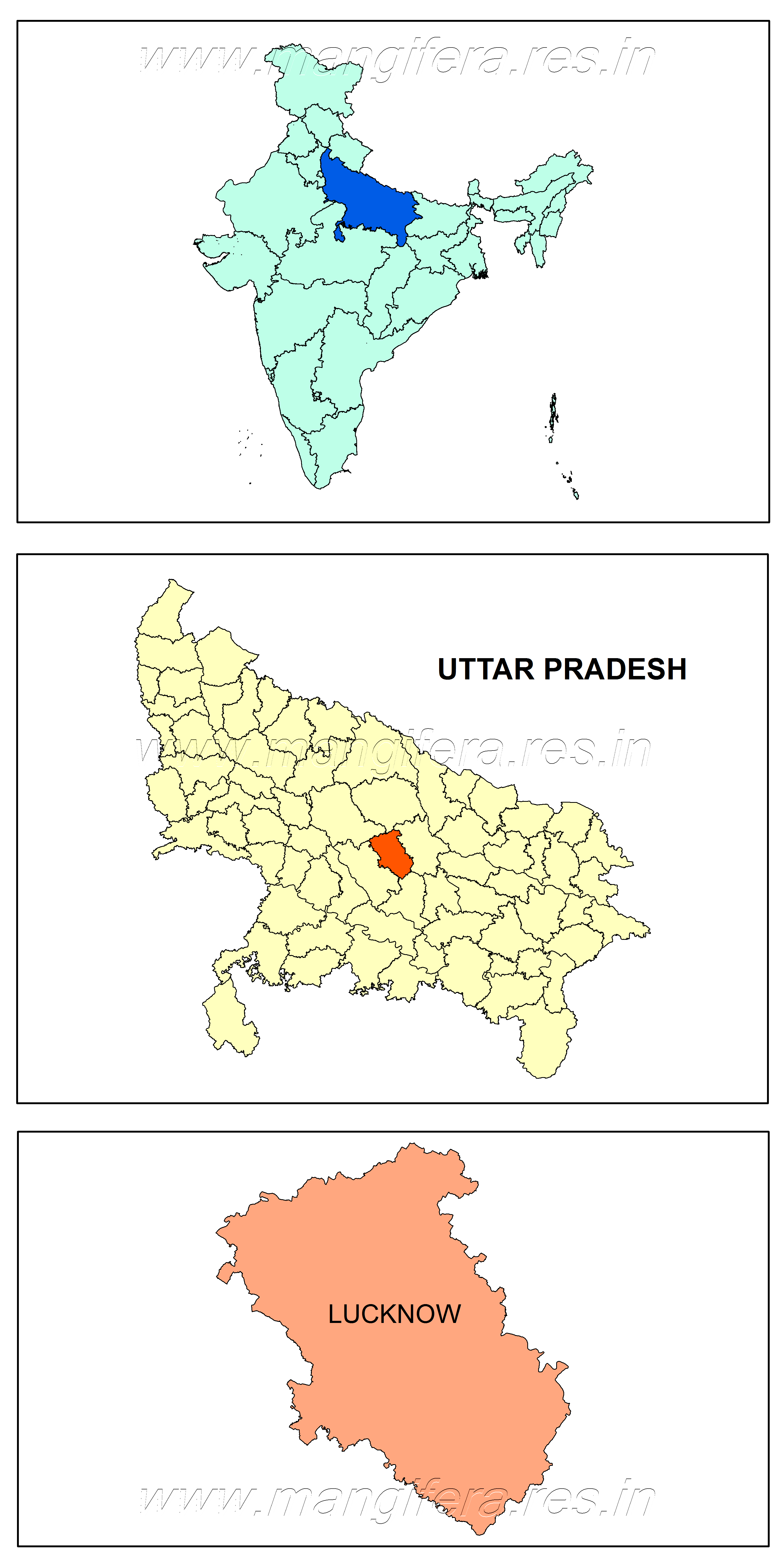
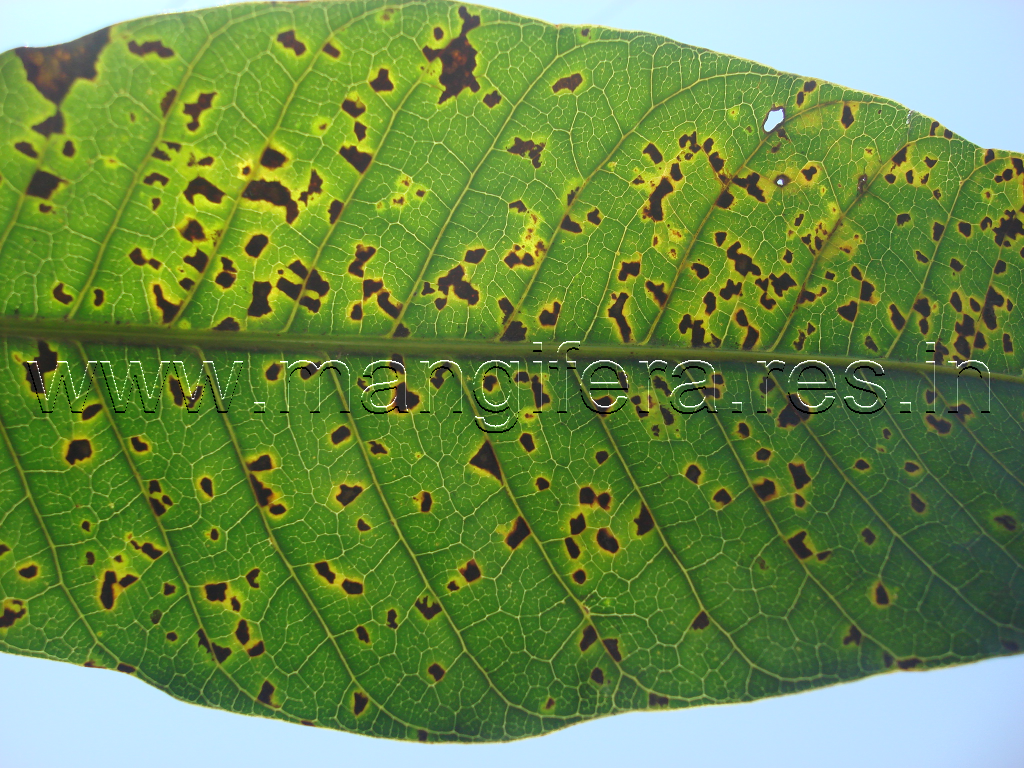
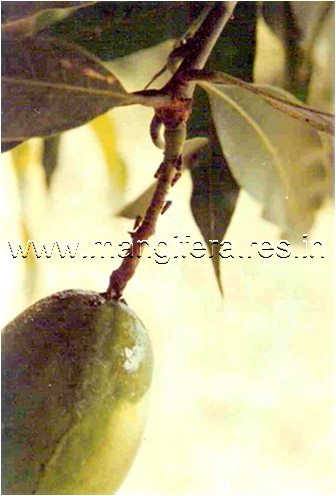
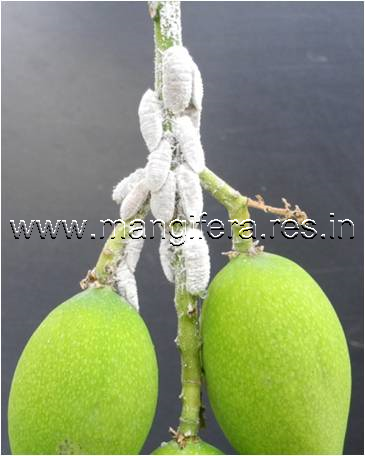
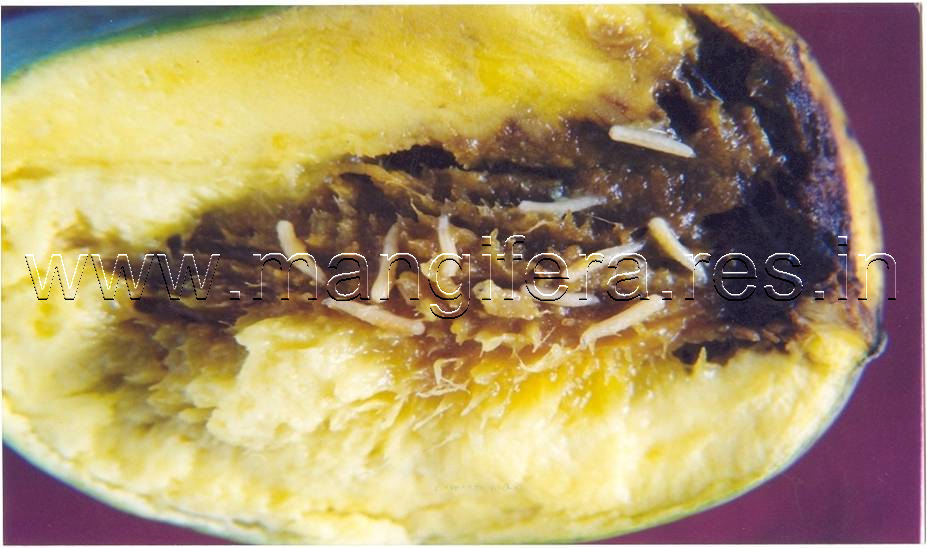
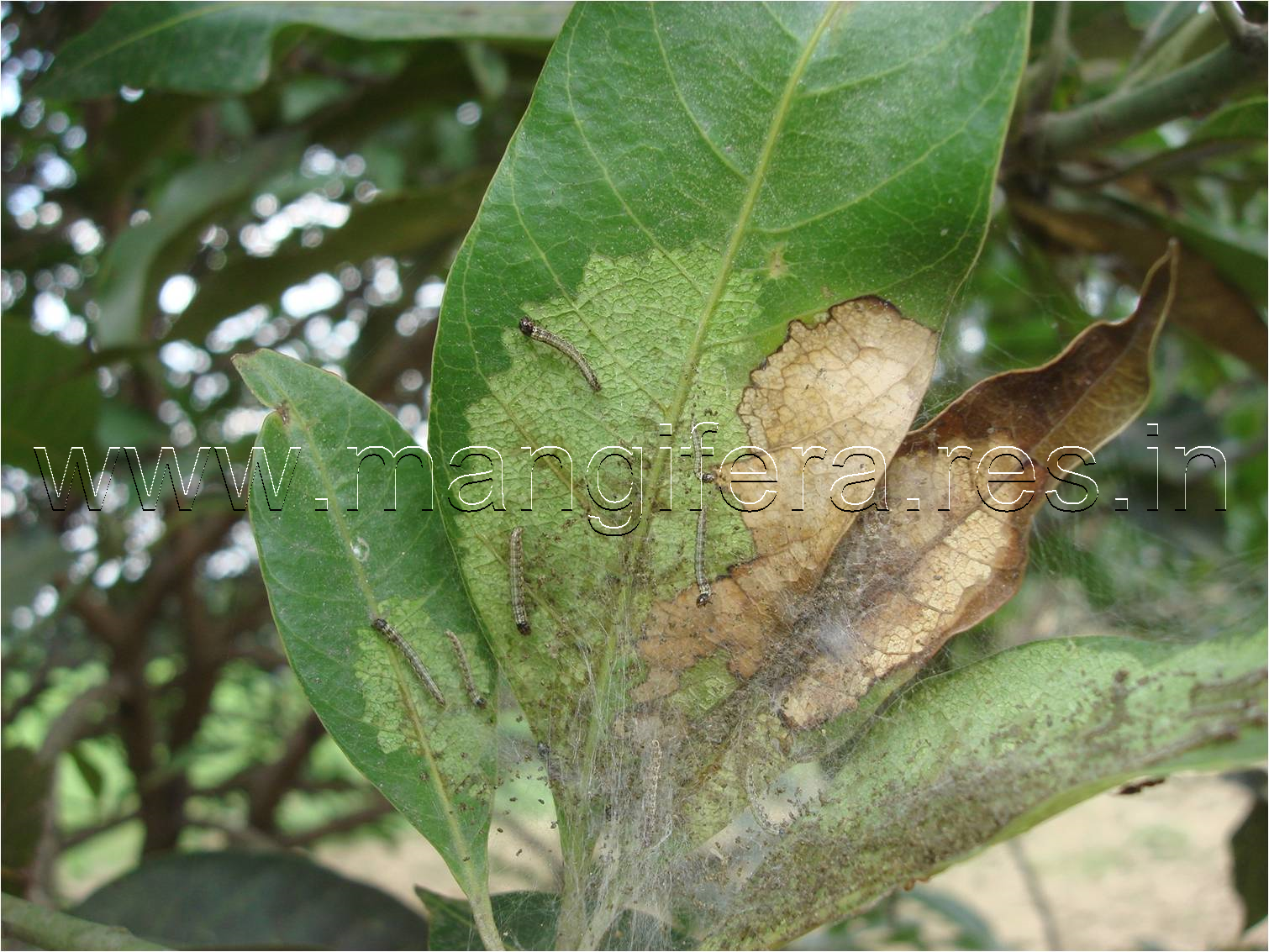
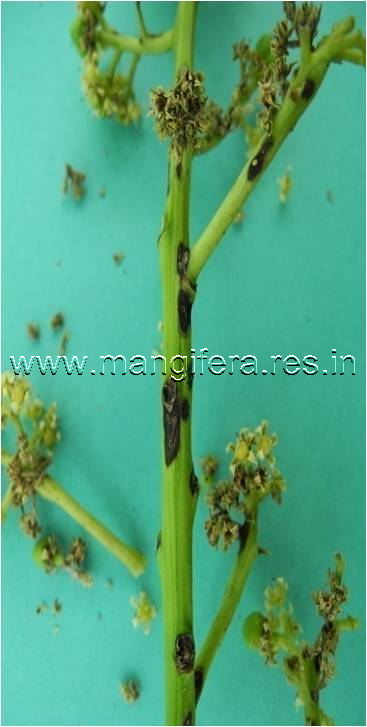
In Lucknow, mango is mainly growing in Malihabad, Mal, Kakori and Bakshi ka Talab blocks/taluqs/tehsils. Dashehari, Lucknow Safeda, Chausa, Langra, Bombay Green and Ramkela are the major mango varieties growing on commercial scale. Important pickle varieties are Ramkela and seedlings; sucking varieties are Lucknow Safeda, Gilas and seedlings, while important table varieties are Dashehari, Langra and Chausa . In the region, flowering starts in the first week of January and continues up to the last week of March. Major fruit setting period is March. In the district, mango season starts from last week of May and ends during first week of August. Totapari, Banganapalli, Alphonso and Suvarnrekha are the varieties sold in the local market from other states. Dashehari, Langra, Lucknow Safeda, Chausa are the varieties, which are exported to other states. Dashehari and Chausa are exported to other countries also. Veneer grafting, inarching and wedge grafting are the major propagation methods used by the orchardist of the area. ICAR-CISH Rehmankhera, Rajkiya Santati Udyan-Malihabad, local nurseries of Malihabad & Mall are the sources for planting materials. The common diseases of the area are powdery mildew, anthracnose, bacterial canker, gummosis and dieback. hoppers, mealy bug, fruit fly, leaf webber and inflorescence midge are the common pests in this region. mango malformation and fruit drop are the major disorders in the area. The major cultivation problems faced by the farmers are severe incidence of pest and diseases.
Cultural Practices
July ? September is the main time period for planting the mango varieties.. Mostly plants are irrigated two times in a year, i.e. March-April and May-June . flood and basin are the main methods of irrigation. Fertilizers are applied between the months of July ? August. FYM @ 50 kg/tree and NPK (1:1:1 kg/tree) for more than 10 years of tree. through soil application. In the region, ploughing is done in the months of September-October. Diseases are treated by copper oxychloride, sulphur and hexaconazole . Pests are chemically cured by Imidachloprid and quinalphos. No local management method is known for the insect and disease control other than the chemicals. pruning of new flower buds/growing panicles of new flower buds have been applied for the management of disorders. Fruits are harvested in last week of May? first week of August and local made mango harvester and manual picking are the main harvesting techniques of this region.
Harvesting Season and Packaging Technique
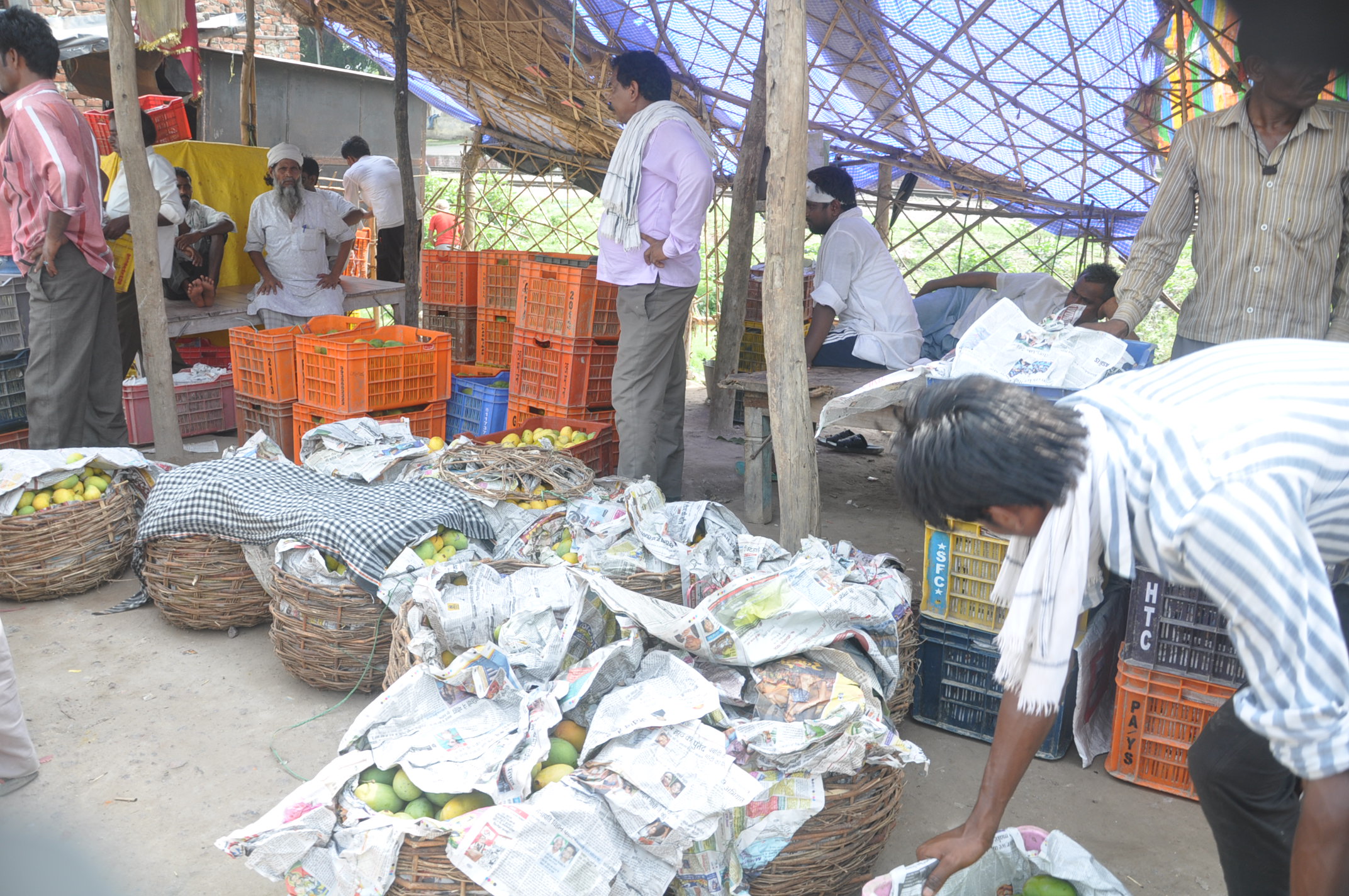
The early season varieties (Bombay Green) are harvested in third week of May?first week of June. The mid-season varieties (Dashehari and Langra) are harvested in second week of June to first week of July. The late season varieties (Lucknow Safeda, Chausa, Mallika, Amrapali and Fazli) are harvested in first week of July to first week of August onwards. All the varieties have been harvested at physiological maturity and mature green stage. The varieties have been harvested in morning hours. mango picker made by long bamboo rods & net are the fruit harvesting tools used in the district. carton boxex, wooden boxes, bamboo baskets, corrugated boxes and plastic crates. Besides, foam mesh sleeve net, tissue paper, polythene, foam, papers are used for wrapping high grade fresh mangoes. are used for wrapping high grade fresh mangoes. trucks, jeep, tractor trolley, utility vehicles, horse drawn cart (tanga) and bullock cart are used to transport harvested mangos in the market. Banthara, Dubagga, Malihabad, Mal and Mohanlalganj are the major mango markets of the area.